If you have a new baby at home, or one on the way, somebody has probably already warned you about RSV. Your mother-in-law, a nurse friend, the lady behind you at Kroger. They mean well. But most of what gets passed around is a few years out of date. The good news is that protecting a baby from RSV is a lot easier now than it was in years past.
What RSV Is, and Why Babies are the Most Susceptible
RSV stands for respiratory syncytial virus. For most people, it is just a cold. A runny nose, cough, and a few days of feeling unwell, and then it is gone. Nearly every child gets RSV by their second birthday.
The trouble is that babies have tiny airways called bronchioles. When RSV moves into the lungs, it can cause bronchiolitis, which is swelling and mucus in these airways. This same swelling in an adult wouldn’t be much of an issue, but in a baby, breathing can become quite difficult. That is why RSV is the leading reason babies under one end up hospitalized in the U.S., and why you hear so much about it every fall and winter.
Babies at higher risk include those born prematurely, those with heart or lung conditions, and anyone who is under six months of age during RSV season. But healthy, full-term babies end up in the hospital with RSV too. Most infants admitted each year have no risk factors.
When is RSV Season in Georgia?
Nationally, RSV season runs roughly October through March. In Georgia, it tends to show up in that same window, sometimes a little earlier once the weather turns. Once temperatures drop and kids head back into close, indoor spaces, RSV cases begin climbing.
How to Protect Your Baby from RSV
A couple of seasons ago, the only real tools were hand washing and limiting contact with the outside world. Now there are two ways to protect against RSV.
Option 1: An Antibody Shot for Your Baby
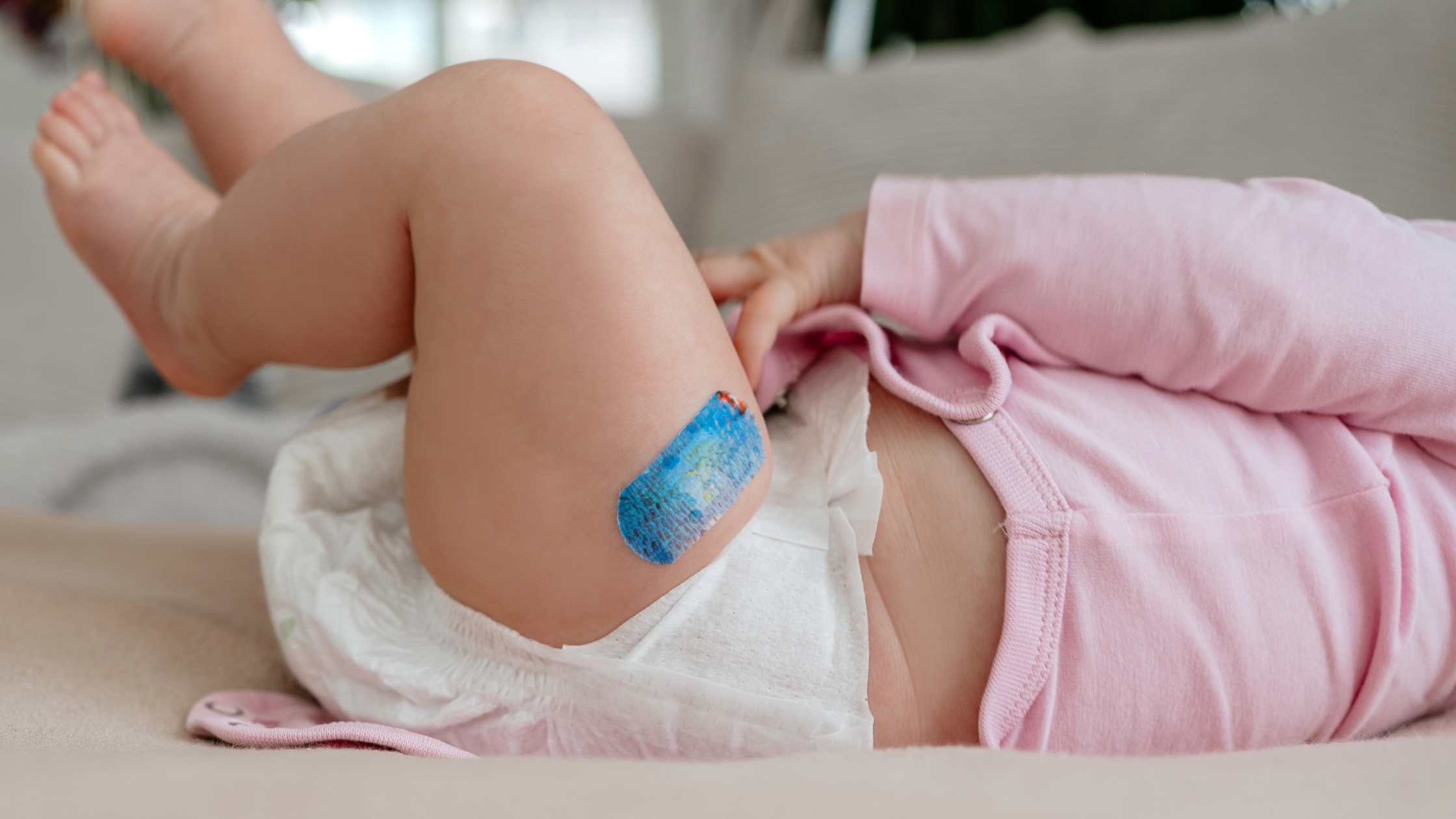
This is often called "the RSV shot," though it is not a vaccine in the usual sense. A vaccine teaches your baby's body to build its own antibodies over time. This shot hands your baby ready-made antibodies, so protection starts right away and lasts through the whole season.
There are two options: nirsevimab (Beyfortus) and clesrovimab (Enflonsia). They work the same and are recommended by the American Academy of Pediatrics (AAP). Your baby gets a single injection in the thigh, and that is it. They can receive the vaccine at the same time as other vaccines.
Who should get it:
- Every baby under 8 months heading into their first RSV season.
- Babies born during RSV season should get it in the first week of life, often before you even leave the hospital.
- Some babies between 8 and 19 months with higher-risk conditions, such as being born before 32 weeks, heart or lung disease, Down syndrome, or a weakened immune system, are recommended for a second-season dose. Your pediatrician will let you know if that applies to your child.
Vaccine side effects are usually mild, often involving a little redness or tenderness at the injection site. Both vaccines have been used in millions of babies, and studies show they cut RSV hospitalizations in infants by roughly 80% or more.
Option 2: A Vaccine During Pregnancy
If you are pregnant, you can protect your baby before they are born. The RSV vaccine for pregnancy (Abrysvo) is given between 32 and 36 weeks and is offered seasonally from September through January so the timing lines up with RSV season.
With this option, mom’s body builds antibodies in response to the vaccine, and those antibodies cross the placenta to baby. Babies arrive already carrying protection through their first several months, which is exactly the window when RSV is most dangerous.
If you get the vaccine at least two weeks before delivery, your baby typically won’t need the antibody shot. If you deliver sooner than that, or you skip the vaccine, the antibody shot covers the gap. Either path gets your baby protected.
Which RSV Vaccine Should You Choose?
Most families do one or the other, not both. Neither is better, and it comes down to timing and what feels right for your family.
- If you are due in the fall or winter, and will be 32 to 36 weeks pregnant between September and January, the pregnancy vaccine is a good fit, and your OB can give it.
- If your baby is already here, or you delivered before the vaccine you received had two weeks to build up in your baby’s body, the antibody shot is the answer, and we offer it at all three Honeybee offices.
- If you are not sure, we invite you to bring it up at your free prenatal Meet and Greet or at your baby's next visit. It is a five-minute conversation we’re happy to have.
Everyday Habits That Still Matter
The shot and the vaccine do the heavy lifting for protecting against RSV, but the basics still help, especially in the first couple of months of your baby’s life.
- Ask visitors to wash their hands before holding the baby. Don’t worry about offending anyone. Your baby’s health is a big responsibility.
- If possible, keep anyone with a cough or runny nose away from you and your baby. A cold for an older cousin can mean a hospital stay for a newborn.
- Skip crowded indoor spots during peak season when you can: the church nursery, the mall, the grocery store, or a waiting room full of sick children.
- Keep smoke away from the baby when indoors and avoid smoking in the car.
- Breastfeed, if possible. It passes along extra immune support.
RSV Symptoms in Babies: What to Watch For
RSV usually starts like a regular cold: runny nose, mild cough, maybe a low fever. Days three through five are typically the roughest, so keep a close eye on breathing then.
Call us the same day if you see:
- Fast breathing, or breathing that looks like hard work
- The skin pulling in between or under the ribs, or at the base of the neck, with each breath
- Nostrils flaring
- Wheezing or a whistling sound
- Fewer wet diapers than usual, or trouble finishing a bottle or feeding
- A baby under 3 months with any fever
Go to the emergency room or call 911 if:
- Your baby’s lips or fingernails look blue or gray
- There are pauses in breathing
- Your baby is limp, unusually hard to wake, or not responding to you the way they normally do
You know your baby. If something feels off, trust that and call. We would rather see a baby who turns out to be fine than miss one who isn’t.
Getting Your Baby Covered This Season
Honeybee Pediatrics offers the infant RSV antibody shot to every eligible baby at all three of our offices, Stockbridge, Warner Robins North, and Warner Robins South. If your baby is under 8 months or is considered higher risk, call your Honeybee office or talk to us at your next well visit. If you are expecting, we would love to talk through both options at a free prenatal Meet and Greet so you can walk into delivery day with a plan.
RSV season is coming. Help your baby face it protected.
Call your nearest Honeybee Pediatrics office or click here to schedule.

 4 min read
 Download
 Share